
Android apps are not installing immediately
What
As an administrator, you use FileWave to send Android policy changes to a device. The policy is enforced on the device, but Android controls the exact timing for installing or updating apps.
When/Why
Google prioritizes battery life, network state, and user experience for Android users. Android Play Store Filesets assigned to a device may therefore take time to install or update. For an update to an already installed app, Google Play typically checks once a day: it can take up to 24 hours for the update to enter the queue, followed by additional time until installation conditions are met. This is not a guarantee that every new app installation or update finishes within 24 hours.
How
You can check the Android Device Policy app on the device. The Policies section shows the status of apps specified by the policy.
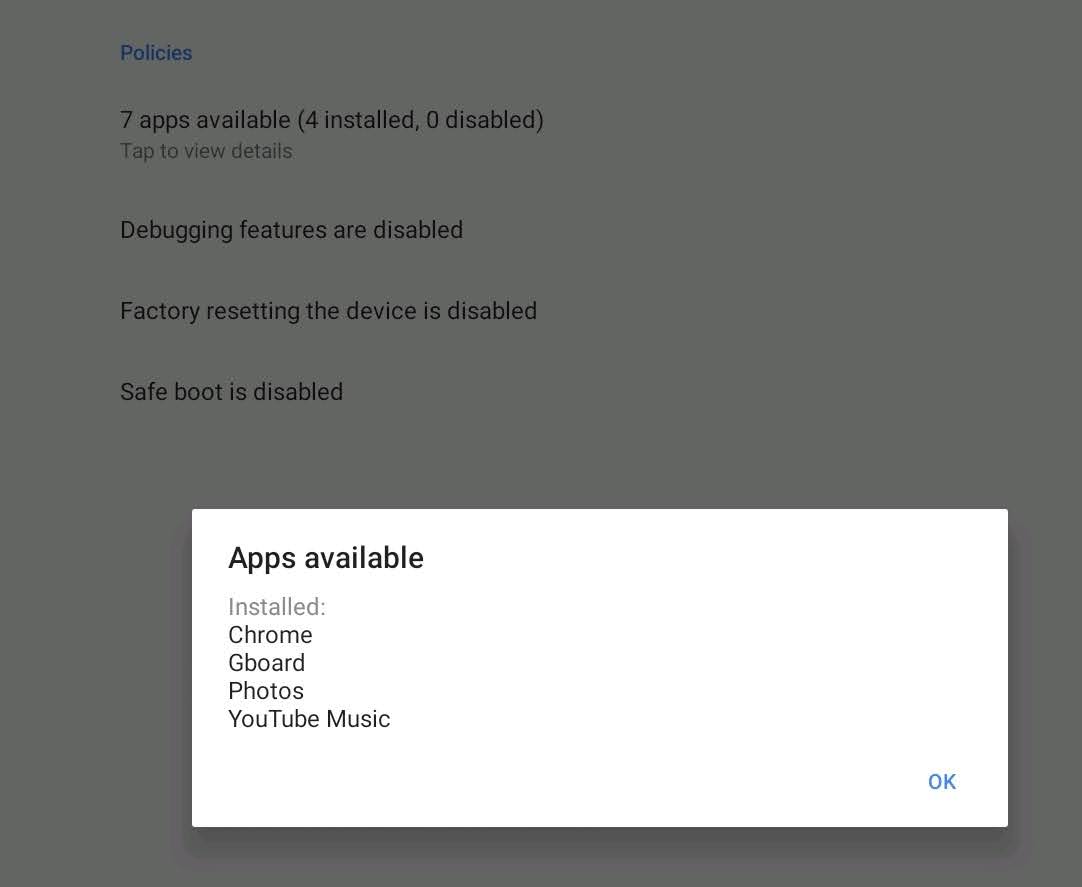
Compare Android EMM timestamps in FileWave 17.0+
In FileWave Central, compare the Android EMM device's Device Details with its app status on the device. These timestamps describe different communication paths:
- Last Connected records the FileWave Companion App's check-in with the FileWave Server. In Central 17.0+, the Clients-view Last Connect column uses the newer available value from Last Connected and Last Connected To fwxserver; it is not a Google policy-sync timestamp.
- Last Policy Sync describes the last time the device fetched its policy from Google.
- Last Status Report, added in FileWave 17.0, describes the last time the device sent a status report to Google. It is also available as a field and criterion in Reports.
Last Policy Sync and Last Status Report can differ. A FileWave-to-Google EMM synchronization is not the same event as the device fetching policy or sending a status report. None of these timestamps alone proves that the device is online now, has received the particular change you are checking, or has successfully applied that change. Confirm the app's status in Android Device Policy and its installed version on the device.
Options to speed up app installation
For a new app installation, first confirm the intended assignment and follow Android Software and Policies to check the published Deployment, effective policy, and app on the device. The options below distinguish a user-initiated install from automatic app updates:
For automatic updates, High Priority means as soon as possible, not an immediate-completion guarantee. Google notes that large rollouts or offline devices can still take up to 24 hours. An app that is in use can close during its update, so account for user interruption before choosing this mode. See Android Apps for the FileWave app-specific settings.
- If the app appears as available in the user's managed Play Store shortly after the Fileset is associated, the user can choose to install it immediately.
- The user can put the device into a favorable state for policy processing: connect to Wi-Fi, connect to power, close running apps, and leave the device idle for a period of time.
- For apps that need faster update behavior, configure the Android Play Store app payload's auto-update mode as High Priority. FileWave exposes this option for Play Store app payloads, and Google's Android Enterprise behavior expects high-priority app updates to start quickly when the device is online.
If an app remains missing or outdated, inspect its status in Android Device Policy and confirm that the intended app is available for that device in managed Google Play. Resolve reported errors rather than waiting indefinitely or repeatedly recreating the Fileset. Check the installed app version on the device; a policy entry alone does not prove installation. If the problem persists, contact FileWave Technical Support with the app package name, device and Android version, selected update mode, error, and time of the attempt.
No comments to display
No comments to display